


INTRODUCTION
Conducting an ISO 9001 audit is vital for organizations aiming to demonstrate their capability to consistently deliver products and services that meet customer and regulatory requirements. This standard sets out the criteria for a quality management system, emphasizing continuous improvement, customer satisfaction, and engaging all employees in the quality process. This article targets consultants, ISO auditors, compliance officers, and supervisory bodies, providing concrete steps and operational strategies for executing effective ISO 9001 audits.
SECTION 1 – AUDIT OBJECTIVE ACCORDING TO THE STANDARD
The primary objective of an ISO 9001 audit is to assess the organization’s adherence to the requirements outlined in the standard, particularly in areas such as:
- Clause 4 – Context of the Organization: Understanding the internal and external factors that can affect the organization’s ability to achieve quality objectives.
- Clause 5 – Leadership: Evaluating the commitment of top management regarding the quality management system (QMS).
- Clause 6 – Planning: Examining how the organization identifies risks and opportunities and how these are integrated into its quality objectives.
- Clause 7 – Support: Assessing resources, competence, awareness, communication, and documented information necessary for an effective QMS.
- Clause 9 – Performance Evaluation: Verifying that monitoring, measurement, analysis, and evaluation methods are effective and aligned with the organization’s quality objectives.
- Clause 10 – Improvement: Evaluating processes for nonconformity and corrective actions.
Failure to comply with these clauses can result in nonconformities, affecting overall quality performance.
SECTION 2 – OPERATIONAL AUDIT PLANNING
Effective audit planning is crucial for ensuring the audit’s success. The following steps outline the process:
Definition of the Scope
Define the extent of the audit. Identify the departments or functions to be audited, the processes involved, and the products or services covered under the quality management system’s scope.
Documentation Collection
Collect documents that are indicative of the quality management system, including:
- Quality manuals
- Procedures and work instructions
- Records of training and competency
- Audit records from previous audits
- Management review minutes
Identification of Critical Processes
Determine key processes that directly affect product and service quality, such as:
- Product design and development
- Supplier management
- Manufacturing and service delivery
- Customer feedback mechanisms
Risk/Control Matrix
Develop a risk/control matrix that aligns identified risks with specific controls in place. This matrix should outline risks related to quality failures and their respective mitigation strategies, helping to prioritize audit focus areas.
SECTION 3 – OPERATIONAL AUDIT CHECKLIST
An effective checklist serves as a practical tool to ensure all relevant aspects are scrutinized during the audit. Below is a structured list of controls to evaluate:
-
Leadership Commitment
- Check if top management is actively involved in QMS.
- Evidence: Meeting minutes, management reviews.
-
Customer Focus
- Verify processes for capturing customer requirements.
- Evidence: Customer feedback records, complaint logs.
-
Process Effectiveness
- Evaluate control measures in critical processes.
- Evidence: Process performance indicators, internal audit results.
-
Non-Conformity Handling
- Review documented procedures for addressing non-conformities.
- Evidence: Non-conformity reports, corrective action records.
-
Continuous Improvement
- Ascertain processes for identifying improvement opportunities.
- Evidence: Recent corrective actions taken, improvement plans.
SECTION 4 – TYPICAL NON-CONFORMITIES FOUND
During the audit process, several recurring errors and critical issues can emerge:
- Lack of Documentation: Many organizations fail to maintain adequate documentation of their QMS processes, leading to difficulties in demonstrating compliance.
- Inadequate Management Reviews: Some organizations do not perform management reviews regularly, or the reviews lack depth, failing to consider critical performance data.
- Insufficient Employee Training: Employees may not be adequately trained for their roles within the QMS, impacting overall compliance and performance.
- Poor Risk Management: Many organizations do not integrate risk management effectively into their processes, leading to overlooked risks that could affect quality.
SECTION 5 – HOW TO STRUCTURE THE AUDIT REPORT
An audit report is a crucial element of the audit process, and it should contain the following minimum elements:
Executive Summary
Summarize the objective, scope, and key findings of the audit.
Findings and Observations
Document specific findings, detailing any observed nonconformities with references to relevant audit clauses. It should also highlight positive aspects and areas of excellence.
Corrective Actions
Propose clear corrective actions for each nonconformity identified, along with responsibilities and timelines for completion.
Conclusion
Provide an overall assessment of the organization’s compliance with the ISO 9001 standard.
SECTION 6 – OPERATIONAL SUPPORT WITH AUDIT MANAGER SOFTWARE
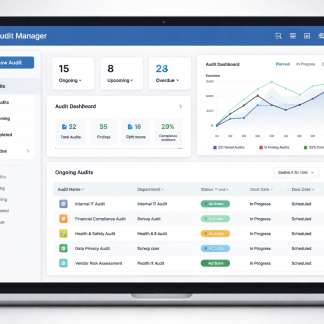
Leveraging technology can greatly enhance the efficiency and effectiveness of the audit process. Using dedicated audit management software, such as the one found at Audit Manager Software, allows auditors to streamline their operations, enhancing overall audit quality.
- Audit Planning: Schedule and manage audit activities seamlessly, ensuring all necessary audits are included in the calendar.
- Checklist Management: Easily create, modify, and distribute audit checklists tailored to specific processes and standards.
- Non-Conformity Recording: Facilitate the rapid documentation and tracking of non-conformities, ensuring a timely response.
- Corrective Action Monitoring: Monitor and verify the effectiveness of corrective actions implemented to address non-conformities.
- Evidence Archiving: Store and retrieve evidence electronically, reducing paperwork and ensuring easy access for future audits.
- Structured Report Production: Generate well-structured audit reports directly from the software, saving significant time and resources.
CLOSING
Conducting a properly structured and documented ISO 9001 audit provides significant value to organizations aspiring to improve their quality management systems. By following these practical steps, consultants, auditors, and compliance officers can ensure rigorous evaluations, bolster compliance, and ultimately enhance customer satisfaction. The rigorous application of audit principles not only identifies weaknesses but also instills a culture of continuous improvement across the organization.

