


Navigating the Transition to ISO 9001:2026: A Practical Guide for Organizations
As the landscape of quality management continues to evolve, the upcoming ISO 9001:2026 standard will introduce significant shifts that certified organizations must navigate effectively. Understanding these changes is crucial for maintaining compliance and ensuring continuous improvement in the quality management systems (QMS). This article aims to provide comprehensive insights into ISO 9001:2026, detailing its implications for organizations currently adhering to ISO 9001:2015.
-
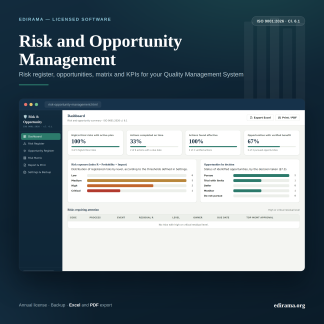
ISO 9001:2026 – Risk and Opportunity Management software
Sale! Original price was: 494,00 €.247,00 €Current price is: 247,00 €. Add to cart -
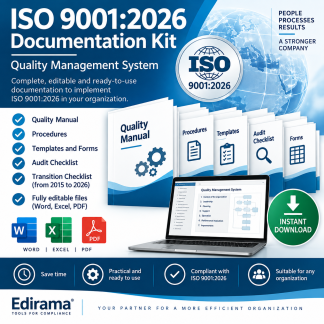
ISO 9001:2026 Documentation Kit
Sale! Original price was: 494,00 €.247,00 €Current price is: 247,00 €. Add to cart -
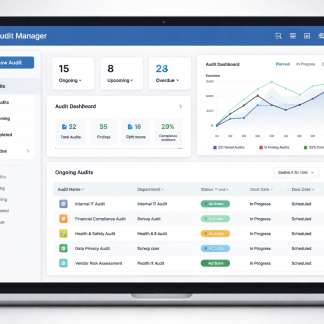
Software Audit Manager
Sale! Original price was: 594,00 €.297,00 €Current price is: 297,00 €. Add to cart
What Changes with ISO 9001:2026
ISO 9001:2026 is expected to enhance several key aspects of the quality management framework. The revisions aim to address the evolving market needs, technological advancements, and an increased focus on sustainability and stakeholder engagement. While the specific finalized requirements will be detailed in the official release, organizations can anticipate a more integrated approach to managing quality that may include:
- Emphasis on Digital Transformation: Organizations may be encouraged to leverage technologies that support better process management and data analysis.
- Sustainability Considerations: Greater attention to sustainable practices and environmental considerations will likely be incorporated.
- Stakeholder Inclusion: A broader view of stakeholder needs, including supply chain partners, workforce, and customers, may be outlined.
These aspects aim to enhance the relevance and effectiveness of the standard in a changing business environment.
Differences from ISO 9001:2015
Significant updates expected in ISO 9001:2026 compared to the 2015 version include:
- Risk Management Evolution: The framework around risk-based thinking may be refined to better align with strategic objectives.
- Integration with Other Standards: ISO 9001:2026 may propose improvements in the compatibility of QMS with other management systems, potentially simplifying the integration process for organizations with multiple certifications.
- Reporting and Transparency Enhancements: There could be new requirements for transparency in reporting quality performance, aligning organizational practices with stakeholder expectations.
It’s important to note that these expected changes are based on draft proposals and subject to final confirmation upon release.
Impact on the Quality Management System
Transitioning to ISO 9001:2026 will necessitate a thorough review of an organization’s current Quality Management System. Key implications include:
- Systematic Updates: QMS protocols may need revision to align with the new focus areas, especially in risk management and stakeholder engagement strategies.
- Training and Awareness: Training programs should be adapted to include the new standard requirements, ensuring all staff are equipped with the necessary knowledge and skills.
- Auditing Processes: Audit procedures may need redefinition to encompass the revised criteria and expectations, ensuring compliance and continuous improvement.
Documents and Procedures to Review
To facilitate compliance with ISO 9001:2026, organizations should prioritize several key documents and procedures for review:
- Quality Manual: Ensure it reflects updates in organizational objectives and the inclusion of sustainability and stakeholder engagement strategies.
- Risk Management Documentation: Reassess current risk management strategies to incorporate any new requirements around risk assessment and opportunities.
- Internal Audit Procedures: Revise internal audit policies and checklists to align with new standards for performance reporting and transparency.
- Training Materials: Develop training resources that reflect the specifics of ISO 9001:2026 and prepare staff for the upcoming changes.
-
ISO 9001:2026 – Risk and Opportunity Management software
Sale! Original price was: 494,00 €.247,00 €Current price is: 247,00 €. Add to cart -
ISO 9001:2026 Documentation Kit
Sale! Original price was: 494,00 €.247,00 €Current price is: 247,00 €. Add to cart -
Software Audit Manager
Sale! Original price was: 594,00 €.297,00 €Current price is: 297,00 €. Add to cart
What Quality Managers Should Do
Quality managers play a pivotal role in ensuring a smooth transition to ISO 9001:2026. Key actions include:
- Gap Analysis: Conduct a Gap Analysis against the new standard to identify areas needing improvement or redefinition.
- Stakeholder Engagement: Initiate discussions with stakeholders to understand their needs and expectations, ensuring that the organization’s QMS remains relevant.
- Impact Assessment: Assess the impact of each proposed change on current processes, engaging relevant teams in the evaluation.
- Document Updates: Begin the process of updating documentation and procedures as new requirements become clear.
How to Prepare for the Transition
Preparing for the transition to ISO 9001:2026 involves a structured approach. Organizations should consider the following steps:
- Conduct a Gap Analysis: This analysis will identify discrepancies between the current ISO 9001:2015 practices and what will be required under ISO 9001:2026.
- Review and Update Key Documentation: Focus on revising the Quality Manual, process documentation, and any supporting records in line with the anticipated changes.
- Engage Employees: Involve employees in the preparation process through training sessions, workshops, and information sharing to foster a culture of understanding and compliance.
- Develop an Implementation Plan: Formulate a clear plan that outlines timelines, responsibilities, and milestones leading up to the transition.
How to Prepare for ISO 9001:2026
In conclusion, the transition from ISO 9001:2015 to ISO 9001:2026 will require organizations to stay proactive and prepared. A thorough Gap Analysis will be essential to identify and address discrepancies between current practices and upcoming requirements. Key documents such as the Quality Manual, procedures, and forms must be diligently reviewed and updated to align with the new standard.
Quality Managers should lead the charge in managing this transition, ensuring that internal audits and the overall Quality Management System documentation remain compliant and reflect best practices. By staying informed and engaged with the updates, organizations will not only better manage the transition but also enhance their quality management practices going forward.

