


Transitioning to ISO 9001:2026: Preparing Your Organization for Change
As organizations globally strive for excellence in Quality Management Systems (QMS), the impending release of ISO 9001:2026 presents both challenges and opportunities. For those already certified under ISO 9001:2015, understanding the forthcoming changes is crucial to ensure a seamless transition and maintain compliance. This article will outline significant developments in ISO 9001:2026, their practical implications, and what actions organizations should take proactively.
-
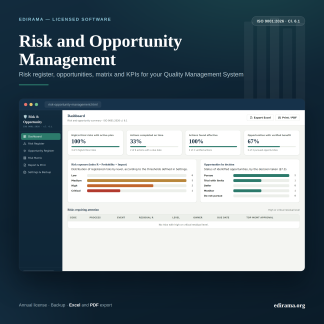
ISO 9001:2026 – Risk and Opportunity Management software
Sale! Original price was: 494,00 €.247,00 €Current price is: 247,00 €. Add to cart -
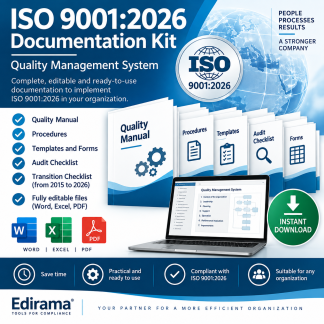
ISO 9001:2026 Documentation Kit
Sale! Original price was: 494,00 €.247,00 €Current price is: 247,00 €. Add to cart -
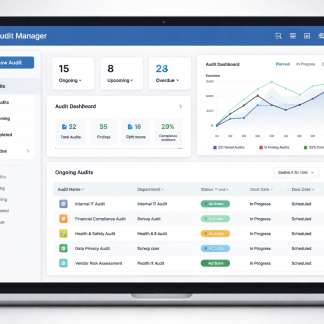
Software Audit Manager
Sale! Original price was: 594,00 €.297,00 €Current price is: 297,00 €. Add to cart
What Changes with ISO 9001:2026
ISO 9001:2026 brings various enhancements aimed at fostering a more coherent and efficient approach to quality management. While specific details are still under discussion, some anticipated changes have been outlined in the drafts circulated during the development process. Key areas of focus include:
-
Emphasis on Leadership and Commitment: Recognizing the importance of top management in embedding a culture of quality throughout the organization.
-
Enhanced Risk Management: An expansion in the scope and application of risk-based thinking, moving beyond initial identification to continuous management and monitoring of risks.
-
Alignment with Strategic Objectives: Affected organizations will need to ensure that their QMS aligns more closely with overall strategic objectives, facilitating better decision-making and long-term sustainability.
Differences from ISO 9001:2015
While many principles of ISO 9001:2015 remain intact, ISO 9001:2026 will likely introduce subtle shifts, including:
-
Stronger focus on stakeholder satisfaction: The new standard is expected to highlight the need for understanding and addressing the expectations of all stakeholders, rather than just customers.
-
Increased integration with other management systems: ISO 9001:2026 aims to facilitate easier integration with other ISO standards, such as ISO 14001 and ISO 45001, fostering a more holistic approach to organizational management.
-
Streamlined documentation requirements: Changes may simplify documentation processes, encouraging organizations to move towards a more agile and less bureaucratic QMS.
Impact on the Quality Management System
Transitioning to ISO 9001:2026 will have significant effects on an organization’s QMS. Here are some potential impacts:
-
Review of Existing Processes: Organizations may find that several current processes, particularly those relating to risk management and stakeholder engagement, require re-evaluation and redesign.
-
Training Needs: To lead an effective transition, training initiatives must be developed to ensure that all staff are aware of the new requirements and the importance of their roles in implementing the updated QMS.
-
Cultural Adaptation: A shift towards a more proactive quality culture may necessitate alterations in management approaches and employee engagement strategies.
Documents and Procedures to Review
In preparation for the transition to ISO 9001:2026, organizations should focus on updating several critical documents and procedures:
-
Quality Manual: Review and amend the Quality Manual to reflect new mandates, ensuring alignment with strategic objectives.
-
Risk Assessment Processes: Evaluate and enhance existing risk assessment and management processes, making sure they fulfill the expected depth in ISO 9001:2026.
-
Stakeholder Engagement Policies: Documentation related to stakeholder feedback mechanisms should be reassessed and adapted to reflect a broader engagement strategy.
-
Internal Audit Processes: Ensure that internal audits cover the new requirements of ISO 9001:2026, identifying any areas of non-compliance and potential improvement.
-
ISO 9001:2026 – Risk and Opportunity Management software
Sale! Original price was: 494,00 €.247,00 €Current price is: 247,00 €. Add to cart -
ISO 9001:2026 Documentation Kit
Sale! Original price was: 494,00 €.247,00 €Current price is: 247,00 €. Add to cart -
Software Audit Manager
Sale! Original price was: 594,00 €.297,00 €Current price is: 297,00 €. Add to cart
What Quality Managers Should Do
Quality Managers play a critical role in the transition process. Here’s what they should focus on:
-
Conduct a Gap Analysis: A thorough ISO 9001 Gap Analysis should be performed. This helps identify discrepancies between the current quality practices and the new requirements.
-
Engage Top Management: Initiate discussions with top management to secure support and commitment towards the necessary changes, reinforcing the importance of leadership in quality management.
-
Incorporate Stakeholder Perspectives: Gather input from diverse stakeholders to understand their expectations and structure strategies around their needs.
-
Develop an Action Plan: Create a detailed action plan based on the Gap Analysis findings to prioritize required changes and allocate resources effectively.
How to Prepare for the Transition
Preparing for the transition to ISO 9001:2026 involves strategic planning and proactive measures. Here are actionable steps organizations can take:
-
Training and Awareness: Organize training sessions on the new standard to enhance understanding among employees and equip them with the necessary skills to comply with updated requirements.
-
Collaborate with ISO Consultants: Engage with ISO consultants for expert guidance throughout the transition process, ensuring that best practices are followed meticulously.
-
Monitor Draft Standard Updates: Stay informed about the latest drafts and modifications leading up to the final publication of ISO 9001:2026 to adapt strategies in real-time.
-
Regular Review Meetings: Schedule review meetings with cross-functional teams to monitor progress and address any challenges arisen during the transition efforts.
How to Prepare for ISO 9001:2026
As the ISO 9001:2026 standard approaches its release, organizations must take decisive steps to prepare for its requirements. Conducting a Gap Analysis should be at the forefront of this preparation, allowing organizations to identify and rectify discrepancies well ahead of the transition deadline. Additionally, take the time to review the Quality Manual, assess existing procedures, and scrutinize forms and documentation to ensure they meet the latest demands.
In conclusion, transitioning to ISO 9001:2026 brings vital enhancements that can significantly improve your Quality Management System. Organizations that proactively adapt to these changes will not only achieve compliance but will also position themselves for sustained quality excellence in their operations.

