


As organizations continue to adapt to changing market conditions and consumer demands, the importance of a robust Quality Management System (QMS) cannot be overstated. The forthcoming ISO 9001:2026 standard is designed to enhance the effectiveness of QMS, facilitating better alignment with modern business practices and technological advances. Understanding these changes is crucial for organizations already certified under ISO 9001:2015, as they navigate the transition towards this new standard.
-
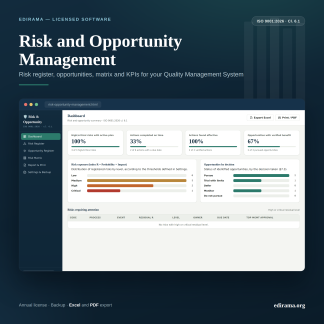
ISO 9001:2026 – Risk and Opportunity Management software
Sale! Original price was: 494,00 €.247,00 €Current price is: 247,00 €. Add to cart -
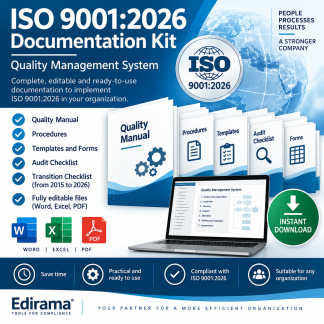
ISO 9001:2026 Documentation Kit
Sale! Original price was: 494,00 €.247,00 €Current price is: 247,00 €. Add to cart -
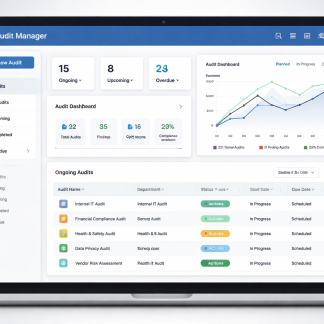
Software Audit Manager
Sale! Original price was: 594,00 €.297,00 €Current price is: 297,00 €. Add to cart
What Changes with ISO 9001:2026
ISO 9001:2026 aims to refine several critical areas within the existing framework established by ISO 9001:2015. While the final details are yet to be formalized, organizations should prepare for significant modifications that may impact their QMS.
Key Focus Areas Expected in ISO 9001:2026
-
Integration of Digital Technologies: As digital transformation accelerates, ISO 9001:2026 is anticipated to incorporate requirements that encourage organizations to leverage technology to improve quality controls and drive operational efficiencies.
-
Risk-Based Thinking Evolution: The focus on risk management is likely to expand, emphasizing proactive risk identification and mitigation strategies, going beyond compliance to enhance overall organizational resilience.
-
Stakeholder Engagement: Greater emphasis on engaging not just customers, but other stakeholders in quality and operational decisions will be central to the new standard.
-
Sustainability and Social Responsibility: With increasing focus on environmental and social governance, expect a stronger emphasis on sustainable practices within the context of quality management.
Differences from ISO 9001:2015
Understanding how ISO 9001:2026 differs from ISO 9001:2015 is essential for organizations planning their transitions. Some expected changes include:
-
Language and Terminology Updates: Revised definitions and terminologies may provide better clarity in the application of quality management principles.
-
New Clauses or Requirements: While the structure remains similar, new clauses addressing modern challenges could emerge, necessitating updates to the QMS.
-
Change in Focus Areas: The reinvented emphasis on stakeholder engagement and sustainability may result in more detailed requirements affecting operational procedures.
Impact on the Quality Management System
Transitioning to ISO 9001:2026 will not only demand updates to documentation but will also require a reevaluation of existing processes within the QMS. Key impacts include:
-
Document Structure Revision: Organizations may need to change how they structure and present their QMS documentation, aligning it with the new clauses and focus areas.
-
Process Alignment: Current operational processes should be assessed for alignment with new expectations, ensuring they meet the enhanced requirements for stakeholder engagement and risk management.
-
Increased Internal Communication: Greater emphasis on stakeholder involvement necessitates improved internal communication strategies to facilitate collaboration and input from various departments.
Documents and Procedures to Review
As ISO 9001:2026 is implemented, organizations should focus on the following documents and procedures for review and potential updates:
-
Quality Manual: This should reflect updates in scope or objectives as defined by the new standard.
-
Procedures and Work Instructions: Processes related to risk management, stakeholder engagement, and technology integration will need examination and potentially significant revisions.
-
Quality Objectives: These should be revisited to ensure they align with any new expectations set forth in the upcoming standard.
-
Internal Audit Protocols: Auditing processes may need adjustment to incorporate any new compliance checklists or focus areas introduced in ISO 9001:2026.
-
ISO 9001:2026 – Risk and Opportunity Management software
Sale! Original price was: 494,00 €.247,00 €Current price is: 247,00 €. Add to cart -
ISO 9001:2026 Documentation Kit
Sale! Original price was: 494,00 €.247,00 €Current price is: 247,00 €. Add to cart -
Software Audit Manager
Sale! Original price was: 594,00 €.297,00 €Current price is: 297,00 €. Add to cart
What Quality Managers Should Do
Quality Managers play a pivotal role in the transition to ISO 9001:2026. They need to:
-
Conduct a Gap Analysis: This is critical to identify areas where the current QMS fails to meet the expectations of ISO 9001:2026. It will help outline specific areas for improvement and establish an action plan.
-
Engage Stakeholders: Gathering input from various stakeholders early in the process will ensure that the QMS is inclusive and meets the needs of all affected parties.
-
Training and Development: Ensure that all employees involved in quality management processes are informed about the changes and trained on the new requirements.
-
Update Training Materials: Materials should reflect any changes arising from the transition, facilitating smoother training sessions for current and new employees.
How to Prepare for the Transition
Preparation for ISO 9001:2026 should be strategic and thorough. Here are steps organizations can take:
-
Start Early: Begin the transition process as soon as possible to allow ample time for necessary adjustments across the organization.
-
Communicate Plans: Internal communication is critical; inform all employees about upcoming changes and the importance of their roles in the transition.
-
Review Existing QMS: Assess the existing QMS documentation, processes, and practices against ISO 9001:2026 expectations to identify gaps.
-
Develop an Action Plan: Create a comprehensive action plan detailing steps, responsibilities, and timelines for adjustments and improvements.
-
Stay Informed: Keep abreast of any updates from ISO regarding final requirements as the standard progresses from proposal to publication.
How to Prepare for ISO 9001:2026
Successfully transitioning to ISO 9001:2026 requires diligence and proactive measures.
-
Conduct a Gap Analysis: This essential first step allows organizations to pinpoint discrepancies between their current QMS and the new requirements.
-
Review Quality Manual and Procedures: Evaluate and, if necessary, revise the Quality Manual, procedures, forms, and other documentation in light of the anticipated changes.
-
Internal Audits: Regular internal audits will help evaluate current practices against expected standards, uncovering areas that need adjustment.
By implementing a thorough review of existing documentation, processes, and personnel understanding, organizations can ensure they are well-prepared for the transition to ISO 9001:2026. Emphasizing a commitment to quality throughout this period will further solidify an organization’s reputation as a leader in quality management.

