


Navigating the Transition to ISO 9001:2026: What Quality Managers Need to Know
As organizations increasingly recognize the significance of Quality Management Systems (QMS), the forthcoming updates in ISO 9001:2026 will have a profound impact on certified companies. Transitioning to this new standard is crucial, not only for compliance but also for improving operational effectiveness and enhancing customer satisfaction. In this article, we will explore the essential changes introduced in ISO 9001:2026 and what organizations can do to prepare for this transition successfully.
-
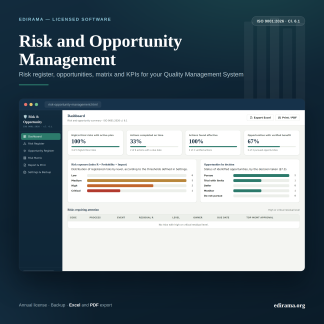
ISO 9001:2026 – Risk and Opportunity Management software
Sale! Original price was: 494,00 €.247,00 €Current price is: 247,00 €. Add to cart -
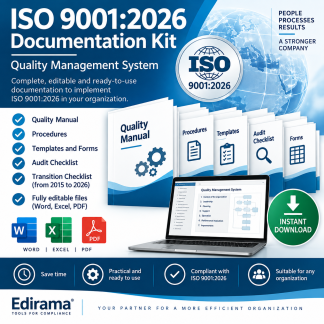
ISO 9001:2026 Documentation Kit
Sale! Original price was: 494,00 €.247,00 €Current price is: 247,00 €. Add to cart -
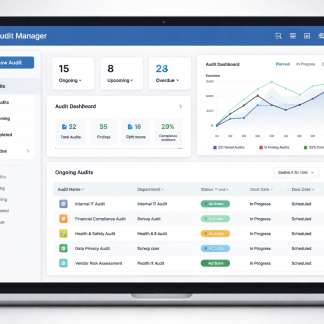
Software Audit Manager
Sale! Original price was: 594,00 €.297,00 €Current price is: 297,00 €. Add to cart
What Changes with ISO 9001:2026
ISO 9001:2026 is anticipated to reflect evolving business needs and enhance alignment with other management system standards. While the standard’s core principles of quality management remain intact, certain updates are essential to address current market practices and technological advancements.
Key Areas of Change
-
User Experience Focus: Greater emphasis on customer engagement and feedback mechanisms to ensure that organizations not only meet but anticipate customer needs.
-
Integration with Other Standards: Enhanced compatibility with other ISO management standards, promoting a unified approach to quality management across various functions and sectors.
-
Digital Transformation: Acknowledgment of digital tools’ role in quality management, including data analytics and AI, for real-time decision-making and performance monitoring.
-
Sustainability Practices: Increased focus on sustainability and environmental responsibilities, requiring organizations to demonstrate their commitment to ecological and social governance in their QMS.
Differences from ISO 9001:2015
The transition from ISO 9001:2015 to ISO 9001:2026 will involve more than mere wording adjustments. While the foundational elements remain, organizations must understand the distinct differences to adapt effectively:
-
Flexibility in Implementation: ISO 9001:2026 aims to provide more flexibility within the implementation of QMS, allowing organizations to tailor their systems based on specific industry challenges.
-
Broadened Scope: The new standard emphasizes a broader scope, encouraging diversification in the types of processes and documentation that may support quality management, thus increasing effectiveness.
-
Risk Management Enhancements: There may be additions to risk management requirements, urging organizations to adopt a proactive stance in identifying potential quality issues before they occur.
Impact on the Quality Management System
Transitioning to ISO 9001:2026 necessitates an evaluation of existing QMS practices. Organizations must consider how these changes can influence their current systems and address gaps that may arise.
-
Integration of New Processes: Organizations will need to integrate enhanced processes into their QMS, which may include revising existing guidelines for risk assessment and customer feedback loops.
-
Assessment of Current Practices: Understanding where current QMS practices may fall short in meeting the new requirements is essential. This could lead to a shift in how audits and reviews are conducted.
-
Training and Development: Employees may require training on new workflows or systems implemented following the transition, emphasizing the importance of continuous competence development.
Documents and Procedures to Review
As part of preparing for ISO 9001:2026, specific documents and procedures must be scrutinized:
-
Quality Manual: Ensure the Quality Manual reflects updates required by the new standard, including any amendments to core processes and objectives.
-
Procedures: Review all procedures related to customer feedback, internal audits, and risk management to ensure alignment with the principles of ISO 9001:2026.
-
Forms and Records: Check forms and documentation used throughout the QMS to guarantee they support and conform to the updated requirements.
-
Internal Audit Programs: Programs may need revisions to assess compliance with both current ISO provisions and anticipated changes, focusing on a more risk-based approach.
-
ISO 9001:2026 – Risk and Opportunity Management software
Sale! Original price was: 494,00 €.247,00 €Current price is: 247,00 €. Add to cart -
ISO 9001:2026 Documentation Kit
Sale! Original price was: 494,00 €.247,00 €Current price is: 247,00 €. Add to cart -
Software Audit Manager
Sale! Original price was: 594,00 €.297,00 €Current price is: 297,00 €. Add to cart
What Quality Managers Should Do
Quality Managers play a pivotal role in easing the transition to ISO 9001:2026. Here’s a practical checklist for Quality Managers:
-
Conduct a Gap Analysis: Evaluate the organization’s current QMS against the anticipated requirements of ISO 9001:2026. Identify areas for improvement and prioritize changes needed.
-
Engage Stakeholders: Foster discussions with key stakeholders about the impending changes and their implications on operations, ensuring that all levels of the organization are aware and prepared.
-
Plan Training Sessions: Organize training for staff on any new practices or tools introduced due to the transition, emphasizing the importance of stakeholder engagement in quality processes.
-
Develop a Transition Plan: Create a structured plan for transitioning, including timelines, responsibilities, and resource allocation necessary to adapt to the new ISO standard.
How to Prepare for the Transition
Preparing for ISO 9001:2026 involves proactive measures that ensure a successful and smooth transition. Here are key steps organizations should consider:
-
Early Engagement: Start discussions about transitioning within your organization right away. Ensure everyone understands the changes coming and how they will affect current practices.
-
Conduct Regular Audits: Regular internal audits will help identify compliance gaps early. This proactive approach allows organizations to take corrective actions before finalizing their transition.
-
Monitor Industry Trends: Stay informed about developments from ISO and gather insights from peer organizations to benchmark best practices.
-
Documentation Review: Hold dedicated sessions to review all QMS documentation, ensuring the content is relevant to ISO 9001:2026 and reflects any changes made to processes or procedures.
-
Implement Quality Tools: Utilizing software tools designed for quality management can streamline the transition process and facilitate ongoing compliance with the new standard.
How to Prepare for ISO 9001:2026
In conclusion, transitioning to ISO 9001:2026 is not just a matter of updating the certification; it is an opportunity to enhance organizational processes and deliver greater value to customers. Conducting a comprehensive Gap Analysis at the outset is indispensable. This analysis will guide organizations in identifying deficiencies in the current QMS and aligning their systems with the updated requirements.
By reviewing the Quality Manual, procedures, forms, and overall QMS documentation, Quality Managers can ensure a thorough preparation phase that mitigates risks and embraces opportunities for improvement that ISO 9001:2026 presents. The stakes are high, but with strategic foresight and a commitment to quality, organizations can navigate the transition successfully and continue to thrive in a competitive marketplace.

