


With the impending release of ISO 9001:2026, certified organizations must prepare for a smooth transition from ISO 9001:2015. Understanding the changes in the new standard is crucial for maintaining certification and ensuring ongoing compliance. This update brings fresh insights into quality management systems (QMS) and requires attention from Quality Managers and auditors alike.
-
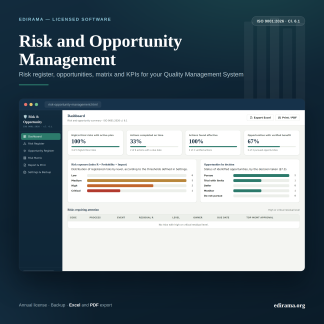
ISO 9001:2026 – Risk and Opportunity Management software
Sale! Original price was: 494,00 €.247,00 €Current price is: 247,00 €. Add to cart -
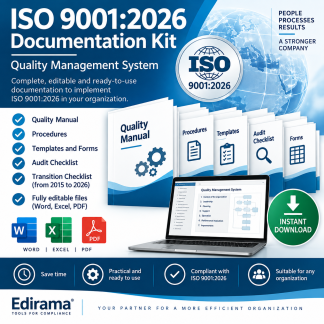
ISO 9001:2026 Documentation Kit
Sale! Original price was: 494,00 €.247,00 €Current price is: 247,00 €. Add to cart -
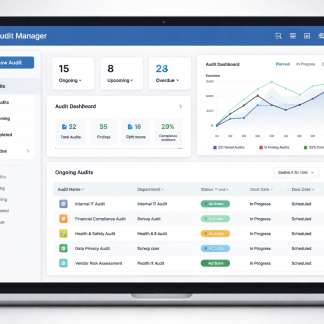
Software Audit Manager
Sale! Original price was: 594,00 €.297,00 €Current price is: 297,00 €. Add to cart
What Changes with ISO 9001:2026
ISO 9001:2026 promises to refine and enhance the framework established by its predecessor. While exact details of the final standard remain in flux until its official publication, we can anticipate significant shifts in areas such as sustainability, risk management, and continuous improvement.
Key Areas of Focus
- Sustainability: There is an emerging emphasis on sustainable practices within quality management frameworks. Organizations are encouraged to integrate environmental considerations into their QMS, focusing on waste reduction and resource efficiency.
- Risk-Based Thinking: Building on concepts from ISO 9001:2015, ISO 9001:2026 is likely to deepen the integration of risk management throughout various processes, ensuring organizations actively identify, assess, and mitigate risks.
- Stakeholder Engagement: Expect increased requirements for engaging stakeholders in the QMS. This involves not just internal stakeholders but also external parties, enhancing transparency and collaboration.
Differences from ISO 9001:2015
While ISO 9001:2015 introduced the concept of risk-based thinking, ISO 9001:2026 may push these ideas further. A notable change could be a more prescriptive approach to documenting processes and outcomes, compelling organizations to demonstrate compliance actively rather than resting on established approaches.
Probable Enhancements
- Greater Clarity on Documentation Requirements: Organizations may need to adopt a more comprehensive approach to documenting quality processes, thus ensuring greater compliance and enabling more effective audits.
- Increased Focus on Training and Competence: There will likely be stricter guidelines on ensuring that personnel are adequately trained and qualified, potentially mandating more frequent competence assessments.
Impact on the Quality Management System
Transitioning to ISO 9001:2026 will require a thorough review and potential overhaul of existing Quality Management Systems. Organizations must anticipate adjustments across various facets of their QMS to align with new standard requirements.
Practical Implications
- Integration of New Practices: Organizations will need to incorporate new practices related to sustainability and stakeholder engagement into their existing processes.
- Enhanced Reporting Mechanisms: With increased emphasis on risk and training, companies will likely need to implement improved reporting mechanisms to track these areas’ performance effectively.
Documents and Procedures to Review
Adopt a proactive approach by reviewing and updating key documents and procedures within your QMS. This includes:
- Quality Manual: Ensure the manual reflects new expectations and guidelines.
- Process Documentation: Update process maps and documentation to include any new practices related to sustainability and risk management.
- Internal Audit Procedures: Revise these procedures to cover the new elements introduced by ISO 9001:2026, ensuring audits are pertinent and comprehensive.
Organizations should focus on the following areas:
- Training Records: Examine how employee training aligns with new requirements.
- Risk Assessments: Revise risk assessment documents to meet enhanced guidelines.
-
ISO 9001:2026 – Risk and Opportunity Management software
Sale! Original price was: 494,00 €.247,00 €Current price is: 247,00 €. Add to cart -
ISO 9001:2026 Documentation Kit
Sale! Original price was: 494,00 €.247,00 €Current price is: 247,00 €. Add to cart -
Software Audit Manager
Sale! Original price was: 594,00 €.297,00 €Current price is: 297,00 €. Add to cart
What Quality Managers Should Do
Quality Managers play a pivotal role in the transition to ISO 9001:2026. Key steps include:
- Conduct a Gap Analysis: Identify discrepancies between current practices and the anticipated requirements of ISO 9001:2026.
- Engage Stakeholders Early: Begin discussions with relevant stakeholders about the potential changes to the QMS.
- Facilitate Training Sessions: Organize training for team members to familiarize them with the upcoming changes and foster buy-in.
How to Prepare for the Transition
Organizations can take several practical steps to prepare for the implementation of ISO 9001:2026:
- Awareness Programs: Conduct awareness sessions for all employees about the importance of the updated standard and its anticipated implications.
- Resource Allocation: Allocate necessary resources to make the updates smoothly—this includes time, personnel, and budget considerations.
- Continuous Communication: Maintain open channels between management and staff regarding the transition to foster a culture of quality.
Additional Considerations
- Audit Preparation: As you prepare for ISO 9001:2026, consider how audits will be conducted under the new standard and adjust your internal audit process accordingly.
- Feedback Mechanisms: Implement feedback systems to ensure that your QMS continues to evolve in line with business operations and stakeholder expectations.
How to Prepare for ISO 9001:2026
The journey to ISO 9001:2026 necessitates a thorough gap analysis to ascertain where current systems may fall short and what enhancements are needed. A comprehensive review of the Quality Manual, procedures, and various forms is essential to ensure alignment with the forthcoming standard. By being thorough in these preparations, organizations can position themselves advantageously for a successful transition.
In summary, proactive planning and involvement of key stakeholders are paramount. Organizations that embrace the changes now will not only ensure compliance but also harness the opportunity to strengthen their quality management systems for the future.

