



As ISO 9001:2026 draws closer to publication, it is crucial for organizations certified under ISO 9001:2015 to understand the forthcoming changes and prepare effectively. Adaptation to these updates will not only ensure continued compliance but also enhance organizational performance and customer satisfaction.
-
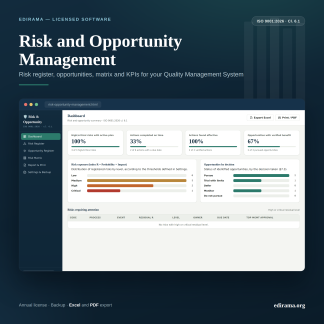
ISO 9001:2026 – Risk and Opportunity Management software
Sale! Original price was: 494,00 €.247,00 €Current price is: 247,00 €. Add to cart and unlock the extra 30% discount -
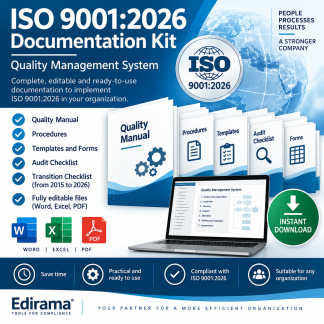
ISO 9001:2026 Documentation Kit
Sale! Original price was: 494,00 €.247,00 €Current price is: 247,00 €. Add to cart and unlock the extra 30% discount -
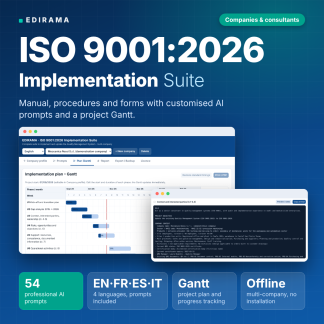
ISO 9001:2026 Implementation Suite –
Sale! Original price was: 794,00 €.397,00 €Current price is: 397,00 €. Add to cart and unlock the extra 30% discount -
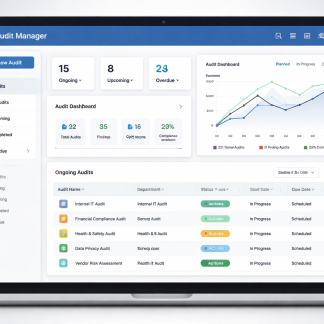
Software Audit Manager
Sale! Original price was: 594,00 €.297,00 €Current price is: 297,00 €. Add to cart and unlock the extra 30% discount
What Changes with ISO 9001:2026
ISO 9001:2026 aims to further modernize the framework established by its predecessor, ISO 9001:2015. While the fundamental principles of customer focus, leadership, engagement of people, process approach, and continual improvement will remain, several enhancements are anticipated:
- Integration of Digital Technologies: A stronger emphasis will be placed on the integration of digital solutions and data analytics within the Quality Management System (QMS).
- Sustainability and Social Responsibility: The new standard intends to reinforce the importance of sustainability, urging organizations to consider environmental and social impacts as part of their quality objectives.
- Enhanced Focus on Risk Management: There is expected to be a more structured approach to risk management, with clearer guidance on assessing and mitigating risks throughout the product lifecycle.
Differences from ISO 9001:2015
While ISO 9001:2015 introduced significant changes from ISO 9001:2008, the transition to ISO 9001:2026 will also bring specific distinctions that organizations should be aware of:
- Greater Emphasis on Stakeholder Engagement: Unlike its predecessor, ISO 9001:2026 will likely encourage proactive engagement not just with customers but also with other stakeholders to ensure broader quality objectives are met.
- Evolved Document Control Processes: Expectations regarding documentation may shift, advocating for more streamlined and agile document control processes to adapt to an increasingly rapid business environment.
Impact on the Quality Management System
The transition to ISO 9001:2026 will necessitate a comprehensive review of existing Quality Management Systems within organizations. Consider the following impacts:
- Increased Requirements for Training: Quality Managers will need to ensure that personnel are adequately trained to understand and implement the new directives under the updated standard.
- Alterations in Internal Audit Criteria: Organizations might need to modify their internal audits to reflect the new focus areas, especially around digital tools and stakeholder engagement.
Documents and Procedures to Review
Before the transition, organizations should assess and potentially revise the following documents and procedures:
- Quality Manual: Ensure it aligns with the new standard’s requirements and overarching principles.
- Quality Policy and Objectives: Reassess the relevance and alignment with sustainability and social responsibility expectations.
- Process Maps and SOPs: Update these to include any new processes required to comply with ISO 9001:2026.
- Risk Management Procedures: Re-evaluate and enhance risk management procedures to incorporate a more proactive approach as outlined in the new standard.
What Quality Managers Should Do
Quality Managers play a pivotal role in facilitating the transition to ISO 9001:2026. Here are some practical actions to consider:
- Conduct a Gap Analysis: Analyze current QMS practices against the anticipated changes and requirements of ISO 9001:2026.
- Engage Stakeholders: Involve key stakeholders early in the transition process to build buy-in and facilitate alignment with the new standard.
- Revise Training Programs: Develop and implement training modules tailored to address the changes brought about by ISO 9001:2026.
- Update Communication Protocols: Enhance communication strategies to effectively convey adjustments in policies and procedures related to the transition.
-
ISO 9001:2026 – Risk and Opportunity Management software
Sale! Original price was: 494,00 €.247,00 €Current price is: 247,00 €. Add to cart and unlock the extra 30% discount -
ISO 9001:2026 Documentation Kit
Sale! Original price was: 494,00 €.247,00 €Current price is: 247,00 €. Add to cart and unlock the extra 30% discount -
ISO 9001:2026 Implementation Suite –
Sale! Original price was: 794,00 €.397,00 €Current price is: 397,00 €. Add to cart and unlock the extra 30% discount -
Software Audit Manager
Sale! Original price was: 594,00 €.297,00 €Current price is: 297,00 €. Add to cart and unlock the extra 30% discount
How to Prepare for the Transition
Getting ready for the transition to ISO 9001:2026 involves comprehensive planning and execution. Here are essential steps to facilitate this process:
- Initial Assessment: Perform an initial assessment based on the upcoming changes to identify areas that require attention.
- Form a Transition Team: Assemble a dedicated team to lead the transition efforts, comprising members from key departments.
- Implement a Timeline: Develop a realistic action plan with a timeline for completing necessary alterations to your QMS.
- Monitor Industry Updates: Keep abreast of any official announcements regarding the ISO 9001:2026 publication to ensure compliance with the final requirements.
How to Prepare for ISO 9001:2026
To successfully navigate the transition to ISO 9001:2026, conducting a Gap Analysis is paramount. This analysis will help you identify discrepancies between your current QMS and the new standard’s requirements. Moreover, review all components of your Quality Management System, including:
- Quality Manual
- Procedures
- Forms
- Internal Audits
- Quality Management System Documentation
Maintaining a proactive approach to these elements will not only significantly ease the transition process but also position your organization for enhanced operational excellence and customer satisfaction under the updated ISO 9001:2026 framework.
In conclusion, the transition to ISO 9001:2026 is an opportunity for organizations to refine their QMS, bolster stakeholder engagement, and embrace the digitalization imperative. Preparing early will provide organizations with the confidence and capability to meet and exceed the new standard’s expectations.

