



As organizations navigate the complexities of quality management, the transition to ISO 9001:2026 represents a significant opportunity for improvement in quality processes. This revised standard aims to enhance the performance and management of quality systems across industries, building on the foundation set by ISO 9001:2015. Understanding the forthcoming changes is crucial for certified organizations to ensure compliance and maintain operational excellence.
-
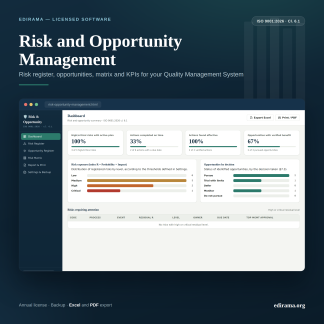
ISO 9001:2026 – Risk and Opportunity Management software
Sale! Original price was: 494,00 €.247,00 €Current price is: 247,00 €. Add to cart and unlock the extra 30% discount -
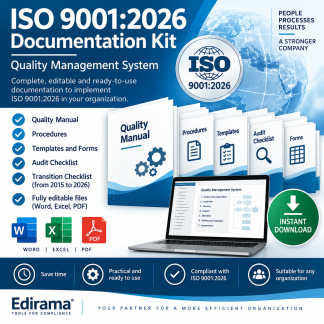
ISO 9001:2026 Documentation Kit
Sale! Original price was: 494,00 €.247,00 €Current price is: 247,00 €. Add to cart and unlock the extra 30% discount -
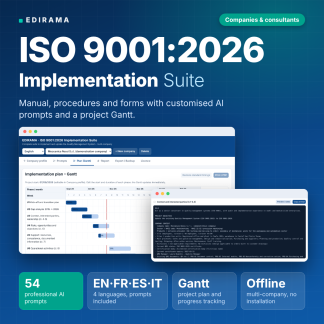
ISO 9001:2026 Implementation Suite –
Sale! Original price was: 794,00 €.397,00 €Current price is: 397,00 €. Add to cart and unlock the extra 30% discount -
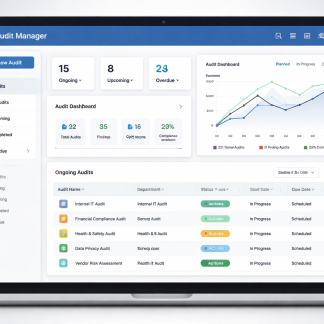
Software Audit Manager
Sale! Original price was: 594,00 €.297,00 €Current price is: 297,00 €. Add to cart and unlock the extra 30% discount
What Changes with ISO 9001:2026
ISO 9001:2026 is designed to streamline and strengthen quality management practices by introducing updated requirements that reflect contemporary business environments. Key areas of change may include:
- Increased Focus on Risk Management: Enhancing the emphasis on risk-based thinking ensures organizations are proactive in identifying and mitigating potential issues.
- Integration of Digital Tools: As technology evolves, the new ISO standard is likely to incorporate requirements pertaining to digital transformation and data management.
- Adaptation to Global Standards: A continued alignment with other international standards may be seen, promoting a unified approach to quality management.
These changes aim to foster resilience, adaptability, and continuous improvement within organizations.
Differences from ISO 9001:2015
While ISO 9001:2026 builds on the framework established by the 2015 version, there are notable differences that organizations must understand:
- Structure and Terminology: Expect a more refined structure with defined terms that may be updated or altered to better match industry trends and language.
- Documentation Requirements: Expect potential shifts in the types and structures of required documentation, moving towards less prescriptive requirements to accommodate varying business contexts.
- Stakeholder Engagement: There could be enhanced guidelines for stakeholder involvement, underlining the importance of collaboration across the value chain.
It’s essential to continuously monitor the developments in the standard, especially as it progresses through draft stages, to maintain awareness of changes that may directly affect operational protocols.
Impact on the Quality Management System
Transitioning to ISO 9001:2026 will have significant ramifications for your Quality Management System (QMS). Organizations should be prepared for the following implications:
- Enhanced Requirements for Performance Monitoring: Expect a stronger focus on performance metrics that gauge the effectiveness of the QMS.
- Broader Scope for Continuous Improvement: Companies may need to adopt more holistic approaches to improvement initiatives, potentially requiring new tools and methodologies.
- Increased Importance of Training and Competency: Ensuring that staff are well-trained and competent in the revised requirements will remain paramount.
Organizations should assess how these changes influence their existing processes and align them accordingly to meet the updated requirements.
Documents and Procedures to Review
A successful transition to ISO 9001:2026 will necessitate a thorough review of existing documents, procedures, and practices. Key documents that should be scrutinized include:
- Quality Manual: Update your quality manual to reflect new terminology and processes.
- Procedures and Work Instructions: Review procedure documents to ensure they include updated processes relevant to the new standard.
- Internal Audit Strategies: Adapt internal audit protocols to encompass the new requirements and ensure compliance at all levels.
- Training Records: Verify that training documents align with the revised competencies expected under the new standard.
Maintaining accurate and current documentation is critical to facilitate a smooth transition and prepare for any audits that may occur.
What Quality Managers Should Do
Quality Managers play a pivotal role in guiding organizations through the transition to ISO 9001:2026. Here are actionable steps for quality professionals:
- Conduct a Gap Analysis: Assess existing quality management processes against the anticipated requirements of ISO 9001:2026 to identify areas needing improvement.
- Engage Stakeholders: Communicate with all levels of the organization, securing buy-in and preparing employees for upcoming changes to processes and training.
- Establish a Transition Plan: Develop a roadmap detailing steps to be taken prior to and during the transition period. This should include timelines and key milestones.
- Regularly Monitor Draft Changes: Stay updated on drafts and discussions surrounding ISO 9001:2026 to prepare for any anticipated requirements.
Proactive measures will simplify the transition and enhance the overall effectiveness of the QMS.
-
ISO 9001:2026 – Risk and Opportunity Management software
Sale! Original price was: 494,00 €.247,00 €Current price is: 247,00 €. Add to cart and unlock the extra 30% discount -
ISO 9001:2026 Documentation Kit
Sale! Original price was: 494,00 €.247,00 €Current price is: 247,00 €. Add to cart and unlock the extra 30% discount -
ISO 9001:2026 Implementation Suite –
Sale! Original price was: 794,00 €.397,00 €Current price is: 397,00 €. Add to cart and unlock the extra 30% discount -
Software Audit Manager
Sale! Original price was: 594,00 €.297,00 €Current price is: 297,00 €. Add to cart and unlock the extra 30% discount
How to Prepare for the Transition
Preparing for ISO 9001:2026 necessitates a structured approach to ensure compliance and enhance the quality management framework:
- Perform a Comprehensive Gap Analysis: Identify discrepancies between current practices and expected changes in the ISO 9001:2026 standard.
- Review the Quality Manual: Ensure your quality manual aligns with new requirements, reflecting any shifts in processes, terms, or documentation.
- Update Procedures and Forms: Modify existing procedures and forms to integrate the revised ISO standards while adhering to company-specific needs and practices.
- Plan for Auditor Readiness: Conduct internal audits to prepare for external assessments. Ensure that your team understands the changes and can effectively articulate them during an audit.
- Train Employees: Implement training sessions on the new requirements for all staff involved in the quality management process to ensure consistency in understanding and application.
By taking these steps, organizations can ensure they not only meet the new requirements but also optimize their quality processes for long-term success.
Conclusion
As the ISO 9001:2026 standard approaches finalization, organizations must be proactive in adapting their Quality Management Systems to embrace upcoming changes. Conducting a thorough Gap Analysis will be essential in identifying areas requiring action, from reviewing the Quality Manual and procedures to refining internal audit processes and documentation.
The transition presents an opportunity to strengthen quality management practices while enhancing organizational resilience in an ever-evolving landscape. The journey towards ISO 9001:2026 requires initiative, clarity, and engagement at all levels, ensuring your organization not only complies but thrives in the new ISO framework.

