


The upcoming transition to ISO 9001:2026 marks a significant step forward for organizations committed to enhancing their Quality Management Systems (QMS). Understanding the implications of this new standard is critical, as it will impact existing practices, documentation, and overall quality assurance efforts. Organizations currently certified under ISO 9001:2015 should proactively prepare for these changes to maintain compliance and improve their competitive advantage.
-
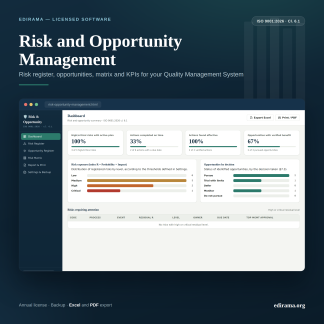
ISO 9001:2026 – Risk and Opportunity Management software
Sale! Original price was: 494,00 €.247,00 €Current price is: 247,00 €. Add to cart -
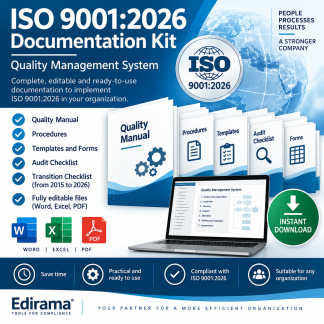
ISO 9001:2026 Documentation Kit
Sale! Original price was: 494,00 €.247,00 €Current price is: 247,00 €. Add to cart -
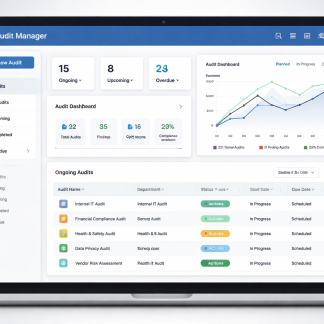
Software Audit Manager
Sale! Original price was: 594,00 €.297,00 €Current price is: 297,00 €. Add to cart
What Changes with ISO 9001:2026
ISO 9001:2026 is expected to introduce several modifications aimed at refining the principles of quality management. While the finalized text is yet to be published, anticipated updates focus on enhanced clarity in requirements, increased flexibility, and a stronger emphasis on stakeholder engagement and risk management.
Key Themes for Change
- Greater Emphasis on Context: Organizations may face strengthened requirements around understanding external and internal factors that affect their QMS.
- Risk Management Upgrades: There may be an expanded focus on integrating risk management into the core processes of the QMS, underlining the need for robust risk identification and assessment.
- Stakeholder Involvement: Increased attention may be directed to stakeholder satisfaction and engagement, ensuring that organizations align their processes with stakeholder needs.
Differences from ISO 9001:2015
Although similarities between ISO 9001:2015 and the upcoming ISO 9001:2026 will remain, distinguishing between these versions is crucial for effective transition.
Key Differences
- Terminology and Structure: The organizational context may receive a redefined structure and terminology to promote deeper understanding.
- Process Thinking: There may be a push towards more explicit documentation of process interactions, encouraging an interconnected approach to quality management.
- Documentation Flexibility: Expectations regarding documented information may evolve, with a potential relaxation in strict requirements in favor of a more tailored approach.
Impact on the Quality Management System
With these changes, organizations must evaluate how their QMS aligns with ISO 9001:2026. The transition process will likely require a thorough review of existing practices, ensuring that systems are compliant with new standards.
Implications for Existing Systems
- Alignment with Stakeholders: Organizations will need to assess how well they currently engage and involve stakeholders in their quality management practices.
- Integrating Risk Management: The focus will likely shift towards anticipating and mitigating risks in a more systematic manner, requiring the integration of risk assessments within existing QMS activities.
- Documentation Review and Update: As a result of potential changes in documentation requirements, organizations may need to revisit their Quality Manuals, procedures, and forms.
Documents and Procedures to Review
The transition offers an opportunity for organizations to critically assess their current quality documentation. Focused evaluations should encompass:
- Quality Manual: Review for alignment with new requirements.
- Procedures: Ensure procedures reflect changes in terminology and expectations around stakeholder engagement.
- Risk Management Plans: Adapt risk management processes according to anticipated updates in ISO 9001:2026.
- Internal Audits: Assess whether internal audit procedures fully cover the updated requirements and emphasize the effectiveness of the QMS.
What Quality Managers Should Do
Quality Managers play a pivotal role in guiding their organizations through the transition to ISO 9001:2026. Here are practical steps to follow:
- Conduct a Gap Analysis: Evaluate the current QMS against potential requirements in ISO 9001:2026. Identify areas needing improvement or alignment.
- Engage Stakeholders: Involve relevant stakeholders in discussions to comprehend their needs and expectations, ensuring that the QMS adapts accordingly.
- Update Training Programs: Provide resources and training to staff on the anticipated changes to ensure understanding and compliance.
- Review and Adapt Documentation: Perform a comprehensive review of all documentation to align with the new standard’s requirements.
-
ISO 9001:2026 – Risk and Opportunity Management software
Sale! Original price was: 494,00 €.247,00 €Current price is: 247,00 €. Add to cart -
ISO 9001:2026 Documentation Kit
Sale! Original price was: 494,00 €.247,00 €Current price is: 247,00 €. Add to cart -
Software Audit Manager
Sale! Original price was: 594,00 €.297,00 €Current price is: 297,00 €. Add to cart
How to Prepare for the Transition
Preparation for ISO 9001:2026 requires a structured approach to ensure compliance and efficiency. Organizations should consider the following strategies:
- Develop a Transition Plan: Outline a detailed plan that includes timelines, responsibilities, and measurable targets for attaining compliance.
- Regular Communication: Keep all stakeholders informed about changes, progress, and expectations regarding the transition.
- Pilot Tests: Conduct trials of new procedures or processes before full implementation, which helps identify potential issues.
- Ongoing Monitoring: Establish metrics to evaluate the effectiveness of the new QMS elements and ensure continuous improvement.
Conclusion
The transition to ISO 9001:2026 presents an opportunity for organizations to enhance their quality management practices significantly. Undertaking a thorough Gap Analysis and revisiting the Quality Manual, procedures, forms, and internal audit strategies is essential to effectively align with the new standard. By anticipating changes and preparing comprehensively, organizations can ensure a seamless transition and continue to drive quality excellence.

