



The looming changes brought forth by the ISO 9001:2026 standard signify a pivotal moment for organizations currently certified under ISO 9001:2015. It is crucial for Quality Managers, ISO consultants, and auditors to comprehend these changes to ensure a seamless transition and continued compliance. This article provides a comprehensive overview of what organizations can expect as they prepare for ISO 9001:2026.
-
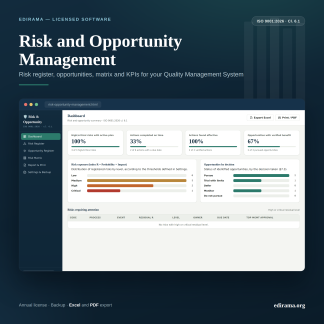
ISO 9001:2026 – Risk and Opportunity Management software
Sale! Original price was: 494,00 €.247,00 €Current price is: 247,00 €. Add to cart and unlock the extra 30% discount -
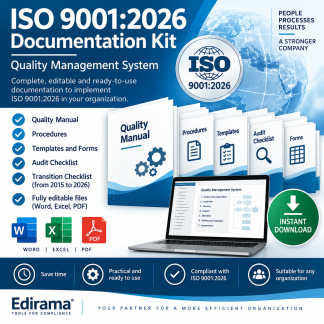
ISO 9001:2026 Documentation Kit
Sale! Original price was: 494,00 €.247,00 €Current price is: 247,00 €. Add to cart and unlock the extra 30% discount -
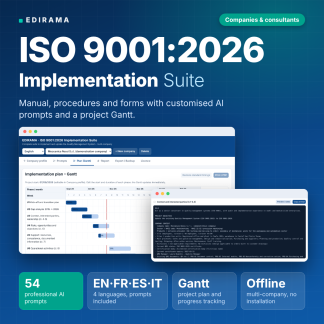
ISO 9001:2026 Implementation Suite –
Sale! Original price was: 794,00 €.397,00 €Current price is: 397,00 €. Add to cart and unlock the extra 30% discount -
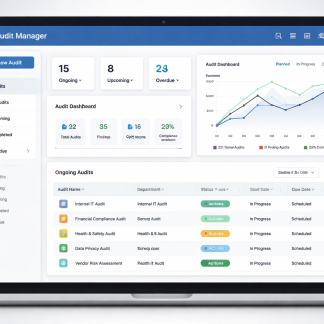
Software Audit Manager
Sale! Original price was: 594,00 €.297,00 €Current price is: 297,00 €. Add to cart and unlock the extra 30% discount
What Changes with ISO 9001:2026
ISO 9001:2026 represents an evolution of the quality management system framework established in ISO 9001:2015. While specific details of the finalized standard are still pending, several key themes are anticipated based on the current drafts and discussions within ISO working groups.
Emphasis on Risk-based Thinking
One of the most significant anticipated changes in ISO 9001:2026 is the enhanced focus on risk-based thinking. While ISO 9001:2015 introduced this concept, ISO 9001:2026 is expected to deepen its integration into organizational processes and QMS activities.
Greater Alignment with Digital Transformation
As organizations increasingly embrace digital technologies, the new standard will likely reflect increased emphasis on integrating digital tools into quality management processes. This may involve requirements for data analysis and the effective use of digital documentation and communication systems.
Differences from ISO 9001:2015
Understanding the differences between ISO 9001:2015 and ISO 9001:2026 is imperative for effective transition planning.
Structure and Language Refinement
The structure of the standard may see revisions to clarify requirements, ensuring consistency between ISO 9001:2026 and other management system standards. This might include updates to terminology that enhance understanding across diverse industries.
Anticipated Inclusion of Sustainability Principles
There is a strong possibility that ISO 9001:2026 will incorporate more explicit guidelines surrounding sustainability practices, encouraging organizations to consider their environmental and social responsibilities within their quality management frameworks.
Impact on the Quality Management System
Organizations currently certified under ISO 9001:2015 will need to assess how the upcoming changes impact their existing Quality Management Systems (QMS).
Integration with Business Strategy
As risk-based thinking and digital transformation take precedence, companies ought to align their QMS with strategic objectives. This means that quality management should play an integral role in overall business goals, influencing decision-making processes across all levels.
Enhancement of Stakeholder Engagement
ISO 9001:2026 is likely to put increased focus on stakeholder engagement, necessitating that organizations re-evaluate how they communicate and interact with customers, employees, and other stakeholders to enhance satisfaction and trust.
Documents and Procedures to Review
For organizations preparing for the transition, several documents and procedures will require thorough review and potential updates.
Key Documentation to Focus On
- Quality Manual: Ensure alignment with new requirements, including any updates in policy statements.
- Procedures and Work Instructions: Review processes for effectiveness and efficiency in light of the anticipated changes in risk management protocols.
- Internal Audit Procedures: Adapt internal audit methodologies to address new areas of focus, especially concerning digital data analysis and stakeholder engagement.
- Risk Management Documentation: Revise your risk assessment processes to incorporate deeper risk-based thinking strategies as expected in ISO 9001:2026.
Quality Metrics
Organizations should review their quality metrics to assess how well they align with the possible updates related to operational performance and stakeholder satisfaction metrics.
-
ISO 9001:2026 – Risk and Opportunity Management software
Sale! Original price was: 494,00 €.247,00 €Current price is: 247,00 €. Add to cart and unlock the extra 30% discount -
ISO 9001:2026 Documentation Kit
Sale! Original price was: 494,00 €.247,00 €Current price is: 247,00 €. Add to cart and unlock the extra 30% discount -
ISO 9001:2026 Implementation Suite –
Sale! Original price was: 794,00 €.397,00 €Current price is: 397,00 €. Add to cart and unlock the extra 30% discount -
Software Audit Manager
Sale! Original price was: 594,00 €.297,00 €Current price is: 297,00 €. Add to cart and unlock the extra 30% discount
What Quality Managers Should Do
Quality Managers have a pivotal role in preparing for the transition to ISO 9001:2026. Here are some practical steps they can take:
Conduct a Gap Analysis
A Gap Analysis should be the first step in assessing how the organization’s current QMS aligns with forthcoming ISO 9001:2026 requirements. This analysis will identify areas of non-compliance and inform the development of a transition strategy.
Engage Stakeholders Early
Involving key stakeholders early in the transition process is crucial. Their input can provide valuable insights into necessary adjustments and foster a culture of inclusivity around quality management.
Train Staff on New Concepts
As the standard evolves, so too should the knowledge base of staff. Implement training sessions focused on the new concepts in the standard, particularly regarding risk-based thinking and sustainability.
How to Prepare for the Transition
To effectively prepare for the changes associated with ISO 9001:2026, organizations can adopt the following strategies:
Develop a Transition Plan
Creating a structured transition plan that includes timelines, responsible individuals, and milestones will facilitate a smoother shift to ISO 9001:2026.
Continuous Monitoring and Improvement
Organizations should foster a culture of continuous improvement. Regularly review quality management processes and document any findings as a basis for ongoing enhancement.
Stakeholder Communication Strategy
Establish a communication plan that ensures all stakeholders are kept informed about the transition process, involved in discussions, and aware of any changes that affect them.
How to Prepare for ISO 9001:2026
Transitioning from ISO 9001:2015 to ISO 9001:2026 is a comprehensive endeavor that requires careful planning and execution. Organizations should conduct a Gap Analysis well in advance, focusing on reviewing the Quality Manual, procedures, forms, internal audits, and other QMS documentation.
By embracing the anticipated changes proactively and rigorously assessing existing systems, organizations can not only achieve compliance with ISO 9001:2026 but also enhance their overall quality management practices.

