



As organizations look to enhance their Quality Management Systems (QMS), the upcoming ISO 9001:2026 standard presents both challenges and opportunities. Transitioning from ISO 9001:2015 to this new version is crucial for maintaining compliance and ensuring the continued effectiveness of quality initiatives. Understanding the impending changes and aligning with best practices will equip organizations to thrive in a competitive landscape.
-
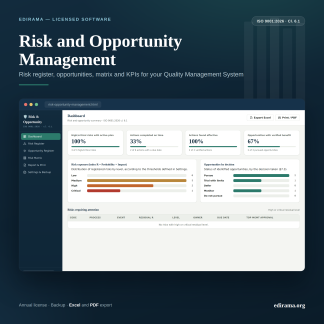
ISO 9001:2026 – Risk and Opportunity Management software
Sale! Original price was: 494,00 €.247,00 €Current price is: 247,00 €. Add to cart and unlock the extra 30% discount -
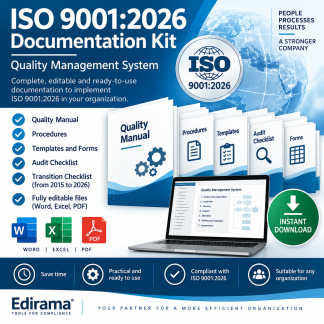
ISO 9001:2026 Documentation Kit
Sale! Original price was: 494,00 €.247,00 €Current price is: 247,00 €. Add to cart and unlock the extra 30% discount -
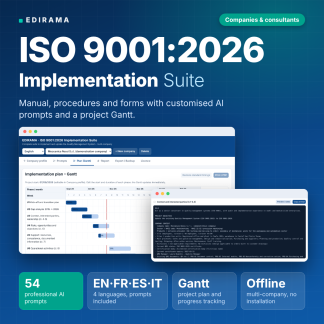
ISO 9001:2026 Implementation Suite –
Sale! Original price was: 794,00 €.397,00 €Current price is: 397,00 €. Add to cart and unlock the extra 30% discount -
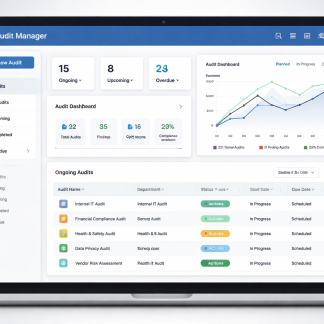
Software Audit Manager
Sale! Original price was: 594,00 €.297,00 €Current price is: 297,00 €. Add to cart and unlock the extra 30% discount
What Changes with ISO 9001:2026
ISO 9001:2026 is set to bring several updates reflecting the evolving business landscape and quality management practices. While the foundational principles of quality management will remain intact, organizations need to brace themselves for modifications that may influence their operational strategies.
Key anticipated changes include:
- Enhanced focus on risk-based thinking, incorporating recent developments in risk management.
- Greater emphasis on sustainability and environmental considerations within the QMS.
- Integrating technology to better support data management and process efficiency.
These changes emphasize the need for organizations to evolve continuously, ensuring that their QMS is not only compliant but also innovative and responsive to market demands.
Differences from ISO 9001:2015
In contrast to its predecessor, ISO 9001:2015, the 2026 update is expected to introduce several notable distinctions:
- Terminology Updates: Clarifications and modifications to terminology may occur to align with industry practices.
- Enhanced stakeholder engagement: A stronger focus on stakeholder needs and expectations may reshape how organizations define their quality objectives.
- Integration of digital tools: The incorporation of digital technologies is likely to play a more significant role, affecting how organizations document and manage their processes.
These differences underscore the necessity for organizations to conduct thorough reviews of their current systems and practices, identifying areas that may require adjustment or updates.
Impact on the Quality Management System
The transition to ISO 9001:2026 will necessitate thoughtful adjustments to existing Quality Management Systems. Understanding the implications of the new standard will help organizations maintain their certification and enhance their operational frameworks.
Potential impacts may include:
- Process Modifications: Organizations may need to update workflows and processes to align with new standards.
- Increased Engagement with Stakeholders: Organizations should consider how to better involve stakeholders in their quality planning and execution.
- Documentation Revisions: Existing documents may need to be revised to meet updated language and intent.
As companies prepare for ISO 9001:2026, aligning processes, systems, and documentation with the new requirements will be critical.
Documents and Procedures to Review
Preparing for a transition to ISO 9001:2026 requires meticulous documentation. Quality Managers should ensure that essential quality documents are scrutinized and revised as necessary.
Key documents to review include:
- Quality Manual: Ensure it reflects any new focus areas introduced in ISO 9001:2026.
- Process Maps: Update to integrate changes in procedures or requirements based on stakeholder feedback or technological advancements.
- Internal Audit Procedures: These may need refinement to include the new focus areas for risk assessment and stakeholder engagement.
- Training Plans: Adapt training materials to cover any new competencies required.
Thoroughly evaluating these documents will help organizations align more closely with the updated QMS standards.
What Quality Managers Should Do
Quality Managers play a central role in facilitating the transition to ISO 9001:2026. Their responsibilities include not only compliance but also fostering a culture of quality and continuous improvement.
Practical actions for Quality Managers:
- Conduct a Gap Analysis: This is pivotal for identifying areas where current practices diverge from the new requirements. A comprehensive gap analysis will inform the necessary changes.
- Engage Employees: Ensure that all staff understand the changes and the rationale behind them, creating a cohesive understanding of the QMS objectives.
- Incorporate Feedback Loops: Design feedback mechanisms within your processes to ensure that you continuously capture and act on stakeholder input.
- Foster a Culture of Continuous Improvement: Use the transition as an opportunity to innovate processes and reinforce the commitment to quality.
These actions will prepare the organization for a successful transition and reinforce the function of Quality Managers as leaders in quality assurance.
-
ISO 9001:2026 – Risk and Opportunity Management software
Sale! Original price was: 494,00 €.247,00 €Current price is: 247,00 €. Add to cart and unlock the extra 30% discount -
ISO 9001:2026 Documentation Kit
Sale! Original price was: 494,00 €.247,00 €Current price is: 247,00 €. Add to cart and unlock the extra 30% discount -
ISO 9001:2026 Implementation Suite –
Sale! Original price was: 794,00 €.397,00 €Current price is: 397,00 €. Add to cart and unlock the extra 30% discount -
Software Audit Manager
Sale! Original price was: 594,00 €.297,00 €Current price is: 297,00 €. Add to cart and unlock the extra 30% discount
How to Prepare for the Transition
To ensure a smooth transition to ISO 9001:2026, it’s important for organizations to develop an action plan that outlines necessary steps and timelines.
Steps to prepare include:
- Establish a Transition Team: Form a dedicated team responsible for managing the transition, ensuring representation from various functional areas.
- Initiate a Gap Analysis: Identify discrepancies between current QMS practices and the upcoming ISO 9001:2026 requirements.
- Update QMS Documentation: Based on the gap analysis, revise necessary documents, including the quality manual and procedures.
- Plan Internal Audits: Schedule audits to ensure that revised processes and documentation are being effectively implemented and maintained.
- Engage in Training and Development: Organize training sessions to educate employees about the new requirements and implementation strategies.
Conducting these preparatory steps efficiently will significantly reduce the friction involved in transitioning to ISO 9001:2026.
Conclusion: The Importance of Gap Analysis
As organizations gear up for the upcoming transition to ISO 9001:2026, a thorough gap analysis is paramount. This fundamental exercise not only highlights discrepancies between the current quality management practices and the expected standards but also lays the foundation for updating the Quality Manual, procedures, forms, and all QMS documentation.
By addressing these aspects proactively, organizations can ensure compliance and reinforce their commitment to quality. Preparing early for the updated standard will ultimately contribute to a smoother transition and a more robust Quality Management System.

