



ISO 9001:2026: Transitioning Towards Enhanced Quality Management Standards
The evolution of ISO 9001:2026 stands as a significant milestone for organizations seeking to improve their quality management systems (QMS). With ongoing advancements in quality practices and increased emphasis on organizational effectiveness, adapting to these updates is crucial for maintaining certification and competitive advantage in today’s dynamic market.
-
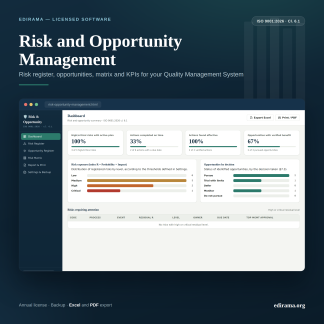
ISO 9001:2026 – Risk and Opportunity Management software
Sale! Original price was: 494,00 €.247,00 €Current price is: 247,00 €. Add to cart and unlock the extra 30% discount -
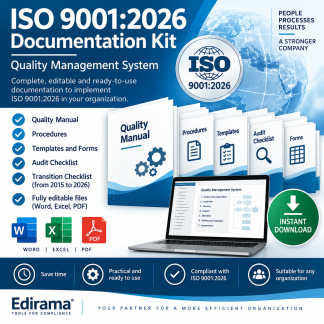
ISO 9001:2026 Documentation Kit
Sale! Original price was: 494,00 €.247,00 €Current price is: 247,00 €. Add to cart and unlock the extra 30% discount -
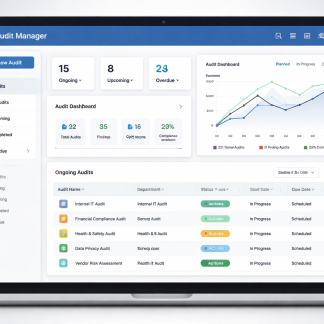
Software Audit Manager
Sale! Original price was: 594,00 €.297,00 €Current price is: 297,00 €. Add to cart and unlock the extra 30% discount
What Changes with ISO 9001:2026
While the final details of ISO 9001:2026 have yet to be fully articulated, several key changes are anticipated that build upon the foundation laid by ISO 9001:2015. The focus on organization-wide engagement, increased flexibility, and digital transformation presence will likely be stronger in this new version. Here are some expected updates:
-
Increased Emphasis on Context: There’s likely to be a greater emphasis on understanding the organization’s context, focusing on external and internal factors that influence QMS effectiveness.
-
Sustainability Integration: The integration of sustainability principles may become more explicit, aligning the quality management framework with broader organizational goals related to environmental and social impact.
-
Risk-Based Thinking: Though risk-based thinking was a cornerstone of ISO 9001:2015, ISO 9001:2026 may elevate this approach, mandating more thorough processes for identifying and mitigating risks.
Differences from ISO 9001:2015
While organizations may feel comfortable with their current ISO 9001:2015 setups, it is essential to recognize the distinctions that ISO 9001:2026 will likely introduce:
-
Greater Flexibility: The new standard is expected to offer more customizable pathways for organizations, allowing them to adapt QMS processes that best fit their unique operations.
-
Enhanced Stakeholder Engagement: Expect a shift towards more inclusive stakeholder engagement strategies that reflect customer and workforce feedback more prominently in the quality processes.
-
Digital Transformation: There may be increased requirements for leveraging data analytics and technology within QMS, encouraging organizations to adopt innovative solutions for quality assurance.
Impact on the Quality Management System
Transitioning to the new ISO 9001:2026 standard will undoubtedly affect various elements of an organization’s QMS. Here are the primary areas to focus on:
-
Policies and Objectives: Organizations will need to review their quality policies and objectives to ensure they align with the enhanced requirements for stakeholder consideration and sustainability.
-
Processes and Procedures: Processes should be revisited to prioritize both existing processes and any new workflows introduced by technological advancements and digitization.
-
Internal Audits and Compliance Checks: The internal audit methodologies may need revisions to effectively evaluate newly adopted practices and compliance with the updated criteria.
Documents and Procedures to Review
As part of the transition planning, organizations should focus on several critical documents and procedures:
-
Quality Manual: Review the entirety of the Quality Manual to ensure it captures the updated approach towards context, risks, and expectations under ISO 9001:2026.
-
Standard Operating Procedures (SOPs): Each SOP should be analyzed for relevance to new processes, risk assessments, and stakeholder feedback mechanisms.
-
Forms and Records: All relevant forms, templates, and records related to quality activities should be updated to reflect any changes in requirements or processes.
What Quality Managers Should Do
Quality Managers play a vital role in preparing for the transition to ISO 9001:2026. Here are actionable steps they should follow:
-
Conduct a Gap Analysis: Start with a comprehensive ISO 9001 Gap Analysis comparing the current QMS against the anticipated requirements of ISO 9001:2026. This analysis will highlight areas needing adjustment.
-
Engage Stakeholders: Initiate conversations with key stakeholders to surface insights and expectations that may influence quality objectives and policies moving forward.
-
Training and Capability Building: Organize training sessions for staff to familiarize them with the upcoming changes and to enhance capabilities in areas such as risk management and sustainability practices.
How to Prepare for the Transition
Preparing for the transition to ISO 9001:2026 involves multiple strategies and proactive measures. Companies should consider the following:
-
Review and Update Documentation: As outlined above, ensuring all QMS documentation is pertinent and compliant with new standards is critical.
-
Internal Audits: Schedule and conduct internal audits to assess and ensure compliance with both existing and anticipated practices, identifying non-conformities ahead of formal assessments.
-
Enhance Communication: Maintain open channels of communication within the organization, emphasizing the importance of the transition and fostering collaborative efforts across departments.
-
ISO 9001:2026 – Risk and Opportunity Management software
Sale! Original price was: 494,00 €.247,00 €Current price is: 247,00 €. Add to cart and unlock the extra 30% discount -
ISO 9001:2026 Documentation Kit
Sale! Original price was: 494,00 €.247,00 €Current price is: 247,00 €. Add to cart and unlock the extra 30% discount -
Software Audit Manager
Sale! Original price was: 594,00 €.297,00 €Current price is: 297,00 €. Add to cart and unlock the extra 30% discount
How to Prepare for ISO 9001:2026
Emphasizing the approach taken to prepare for ISO 9001:2026 is paramount. Organizations must implement an effective strategy to tackle the transition:
-
Conduct a Thorough Gap Analysis: Identify gaps between current practices and those anticipated under ISO 9001:2026, using the analysis as a roadmap for required updates.
-
Assess the Quality Manual and Associated Documentation: Scrutinize and revise the Quality Manual to ensure it reflects the new organizational focuses and adheres to upcoming standards.
-
Prepare for Enhanced Audits: Develop an audit schedule that not only checks compliance with ISO 9001:2026 but also enhances internal awareness around quality culture and practices.
In conclusion, while the transition to ISO 9001:2026 presents challenges, it also offers opportunities for organizations to enhance their quality management frameworks. Conducting a timely Gap Analysis and thoroughly reviewing the Quality Manual, procedures, forms, and overall QMS documentation will be essential for a successful transition. Embracing these changes proactively will ensure firms not only remain compliant but thrive in delivering quality and stakeholder satisfaction.

